Debunking Common Myths About Roofing and Solar Energy


Understanding Roofing and Solar Energy
The integration of solar energy with traditional roofing is a popular trend, but it's often surrounded by misinformation. Understanding the facts can help homeowners make informed decisions about their energy solutions.
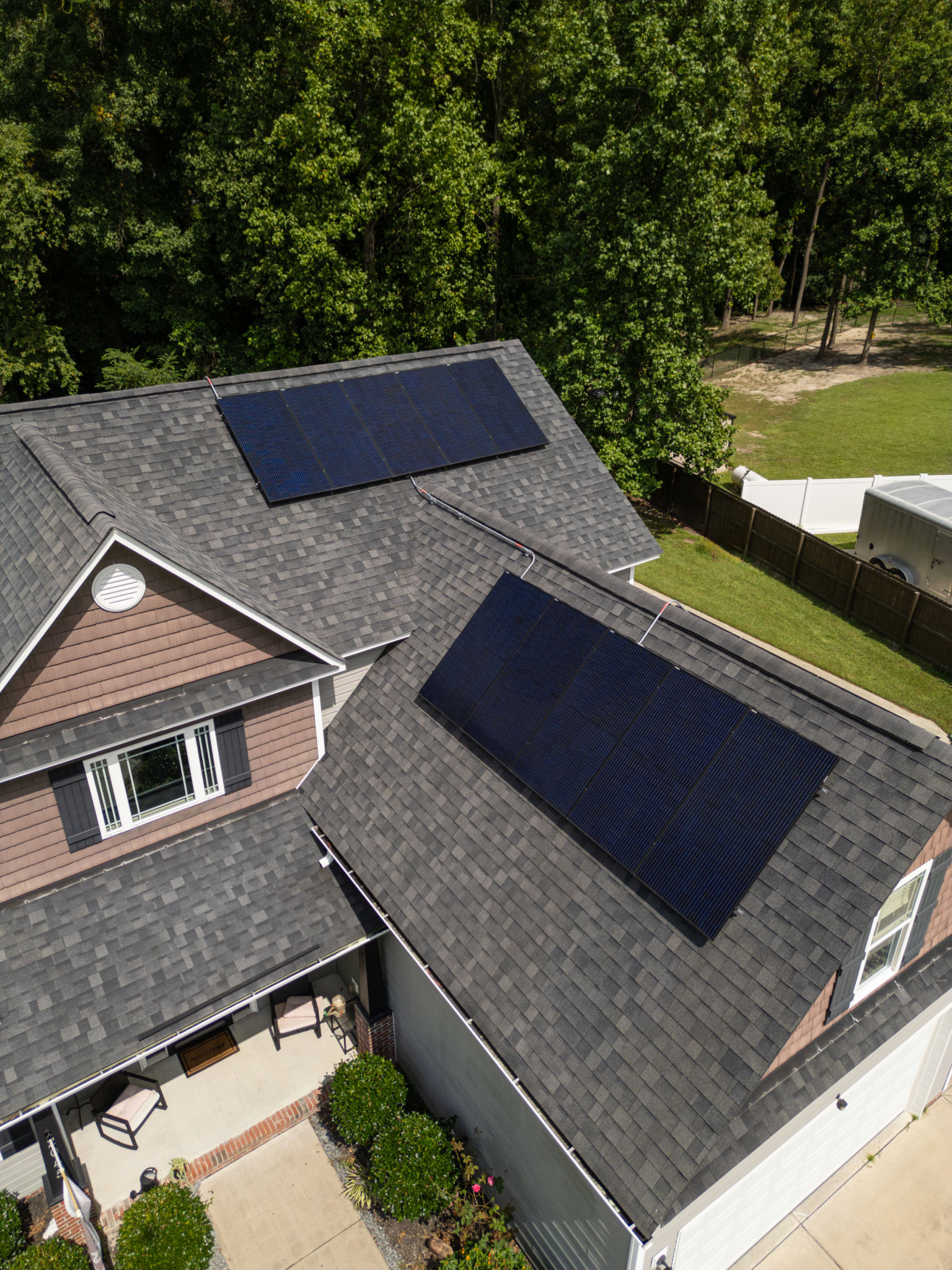
One common myth is that solar panels damage roofing materials. In reality, when installed correctly, solar panels can actually protect the roof by shielding it from weather elements.
Myth: Solar Panels Aren't Cost-Effective
Many people believe that the initial investment in solar panels is not worth the cost. However, the long-term savings on energy bills and potential tax incentives often offset the initial expenses. Over time, solar energy can prove to be a financially savvy choice.
Additionally, solar technology has advanced significantly, making it more affordable than ever. With financing options becoming more accessible, more homeowners can take advantage of solar energy.
The Impact on Home Aesthetics
Another misconception is that solar panels are unattractive and can lower a home's curb appeal. Modern solar panels are designed to be sleek and integrate seamlessly with various roofing styles.

There are even solar shingles available that mimic traditional roofing materials, providing an aesthetic solution for those concerned about appearance.
Myth: Solar Panels Require Constant Maintenance
Some homeowners worry that solar panels require frequent maintenance. In truth, solar panels are designed to be low-maintenance, with most systems needing only occasional cleaning and annual inspections.
Manufacturers typically offer warranties that cover maintenance needs, providing peace of mind to consumers.
Solar Energy Efficiency in Different Climates
A prevalent myth is that solar energy is only effective in sunny climates. While solar panels do perform best with ample sunlight, they can also generate electricity on cloudy days. Advances in technology have made panels more efficient in various weather conditions.

Moreover, solar energy systems can be paired with battery storage solutions to maximize efficiency, even in less sunny areas.
Myth: Solar Panels Are Not Environmentally Friendly
Some argue that the production and disposal of solar panels harm the environment. However, the overall environmental impact of solar energy is significantly lower compared to fossil fuels. Manufacturing processes continue to evolve, becoming more sustainable over time.
By reducing reliance on non-renewable energy sources, solar panels contribute to a cleaner, greener planet.
Conclusion
Understanding the realities of roofing and solar energy can empower homeowners to make informed decisions. By debunking these common myths, it becomes clear that solar energy offers numerous advantages, from cost savings to environmental benefits.
As technology continues to advance, the integration of solar energy with traditional roofing will likely become even more seamless and efficient, providing a sustainable option for future generations.